Texas Football Recruiting 2026-2028: The Battle for the Lone Star State
Deep dive into Texas football recruiting across the 2026-2028 classes. With 461 prospects, 75 elite talents, and seismic shifts in the recruiting landscape, discover why the Lone Star State remains college football's most contested territory.
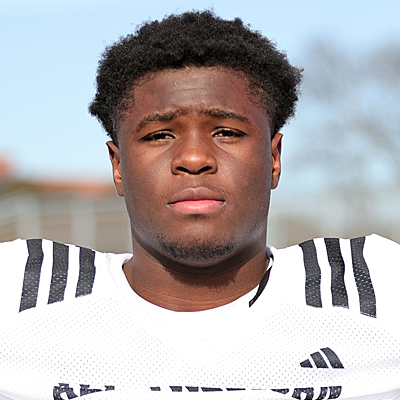
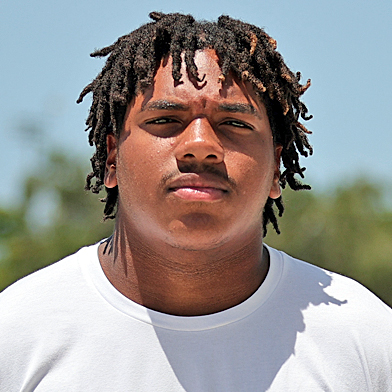
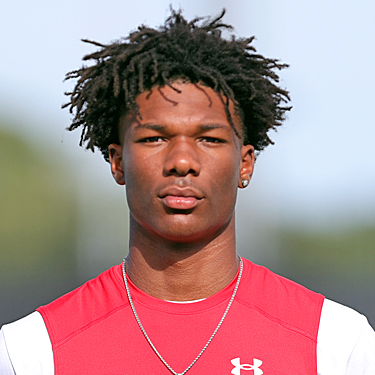


Texas football recruiting operates at a scale and intensity that sets it apart from every other state in America. With 461 tracked prospects across the 2026, 2027, and 2028 classes, including 75 elite four and five-star talents, the Lone Star State continues to produce more Division I caliber players than any region outside of Florida and California. But numbers only tell part of the story. What makes Texas recruiting uniquely fascinating in 2025 is the seismic shift in how programs evaluate, pursue, and ultimately sign these athletes.
The traditional power structure is cracking. While Texas and Texas A&M still command respect, they no longer dominate the commitment landscape the way they did a decade ago. Instead, we're witnessing a recruiting free-for-all where Texas Tech, TCU, Houston, and SMU are landing quality players at unprecedented rates, while national programs like Oregon swoop in to snatch five-star talents like Jalen Lott from traditional Longhorn territory.
The Evolving Texas Recruiting Landscape
The average PrepRanks Score of 67.3 across all Texas recruits reveals a state producing consistent quality rather than just elite outliers. This depth creates massive opportunity for programs willing to dig beyond the headline names. A 67% commitment rate means nearly a third of the state's top talent remains uncommitted or soft on their pledge, which explains why recruiting battles in Texas extend deep into signing day season.
The 51.5% in-state retention rate stands out as the defining metric of modern Texas recruiting. For every elite prospect who stays home, another equally talented player heads to the SEC, Big Ten, or Pac-12. This represents both a crisis and an opportunity depending on which side of the recruiting war you occupy. Programs like Texas Tech have embraced this reality, building their 2026 class on volume and value rather than chasing impossible five-star battles against programs with deeper NIL pockets.
Star Distribution and Class Breakdown
| Stars | Count | Percentage |
|---|---|---|
| 5⭐ Elite | 14 | 3.0% |
| 4⭐ High Major | 61 | 13.2% |
| 3⭐ Power Five | 191 | 41.4% |
| 2⭐ Developmental | 162 | 35.1% |
The class breakdown reveals the recruiting cycle's natural rhythm. The 2026 class dominates with 342 prospects as programs finalize their upcoming signing class. The 2027 class (90 prospects) represents early evaluations of rising juniors, while the 2028 group (29 prospects) captures elite sophomores already on national radars. This distribution shows recruiting evaluators identifying talent earlier than ever, with some prospects holding major offers before playing a single varsity down.
The Trench War: Where Championships Are Built
The most significant story in Texas recruiting isn't happening at skill positions. It's the battle for offensive linemen that will define program trajectories for the next five years. Felix Ojo, the state's top-ranked prospect with a 93.1 PrepRanks Score, chose Texas Tech over Alabama, Georgia, and Texas. That single decision represents a paradigm shift in how elite linemen evaluate programs in the NIL era.
Kennedy Brown and Qua Ford, both five-star offensive tackles still uncommitted, hold the power to transform any program's offensive line room. The PrepRanks Formula's Offensive Line Shortage Multiplier inflates their value significantly because truly elite tackles remain the scarcest commodity in football recruiting. Programs offering immediate playing time, developmental track records, and competitive NIL packages have never had more leverage with this position group.
John Turntine, a five-star interior lineman from North Crowley, committed to Texas, showing the Longhorns still win when they prioritize specific prospects. His 86.8 PrepRanks Score reflects both natural talent and the positional premium assigned to versatile interior linemen who can play both guard and center.
Quarterback Development and the Position Premium
Texas produced three five-star quarterbacks in this cycle, each representing different archetypes of the modern position. Keisean Henderson committed to Houston, bringing elite arm talent and dual-threat ability to a program building around his skill set. His 89.7 PrepRanks Score benefits massively from the Quarterback Premium Index, which assigns additional value to the position's franchise-altering potential.
Bowe Bentley chose Oklahoma, continuing the Sooners' pipeline of Texas quarterbacks who become first-round draft picks. The Power Five Regional Advantage metric rewards Texas quarterbacks because they face elite competition weekly in the nation's most talent-dense high school football ecosystem. College evaluators know these prospects arrive battle-tested in ways few other regions can replicate.
The Running Back Renaissance
Despite national narratives about the running back position's devaluation, Texas continues producing elite ball carriers who command major program attention. Jonathan Hatton Jr. and KJ Edwards both committed to Texas A&M, giving the Aggies the foundation of what could become the SEC's most explosive backfield.
Landen Williams-Callis remains uncommitted despite a 87.1 PrepRanks Score that places him among the nation's elite 2027 prospects. His recruitment will test whether programs still prioritize elite running backs the way previous generations did. The PrepRanks Formula's Momentum component (25% of overall score) captures his rising stock as national programs realize his talent can't be ignored regardless of positional market trends.
High School Power Programs
| School | City | Recruits | Avg Stars |
|---|---|---|---|
| Ridge Point | Missouri City | 9 | 3.0⭐ |
| North Crowley | Fort Worth | 7 | 3.6⭐ |
| Southlake Carroll | Southlake | 9 | 2.7⭐ |
| Duncanville | Duncanville | 6 | 3.5⭐ |
| Prosper | Prosper | 7 | 3.0⭐ |
North Crowley's emergence as a power program reflects demographic shifts in the Dallas-Fort Worth metroplex. Their 3.6-star average across seven recruits positions them as the state's premier quality-over-quantity program. These prospects benefit from elite coaching, strength programs, and exposure to college scouts who make North Crowley a regular stop during evaluation periods.
Ridge Point and Southlake Carroll represent the volume model, producing roster-filling talent for programs across multiple levels. Their lower star averages shouldn't diminish their importance to Texas football's ecosystem. These programs develop hundreds of college-ready players who become key contributors at Group of Five and FCS programs.
College Destination Trends
Texas Tech's 19 commits at a 3.0-star average tells the story of modern recruiting pragmatism. While headline-chasing programs battle for five-stars, Tech systematically builds depth with prospects who value playing time and developmental environments. Their approach mirrors what programs like Iowa State and Kansas State pioneered in the previous decade.
TCU's identical commit total (19 at 2.9-star average) shows the Horned Frogs employing similar strategy. Both programs recognize that in the transfer portal era, roster depth matters more than star rankings. Developing three-star prospects into NFL draft picks builds program credibility far more effectively than signing five-stars who transfer after one disappointing season.
Texas A&M's 10 commits averaging 3.8 stars demonstrates the opposite approach. The Aggies target fewer prospects but aim higher, betting that elite talent wins championships regardless of depth concerns. Their duo of five-star running backs signals an offensive identity built around physical dominance rather than spread finesse.
Positional Market Analysis
The 73 wide receivers in this recruiting cycle reflect Texas high school football's offensive evolution. Spread systems dominate the state's top programs, creating receiver prospects with route-running sophistication and coverage recognition that rivals what previous generations developed in college. Programs recruiting Texas wideouts gain immediate contributors rather than developmental projects.
The defensive back numbers (46 corners, 46 safeties) reveal why SEC programs make Texas their top recruiting priority. Elite coverage ability starts with facing elite receivers weekly. Texas DBs arrive at college programs with more high-level reps against quality competition than prospects from most other states accumulate in entire high school careers.
The relative shortage of defensive linemen (42 total) creates opportunity for programs willing to develop size and technique. The Size Premium Index in PrepRanks' Football Intelligence metrics identifies prospects with prototypical frames who might lack refined technique but possess physical tools worth long-term investment. Jalen Brewster, Texas Tech's five-star defensive lineman, exemplifies this profile with the combination of elite size and emerging pass-rush ability.
The PrepRanks Formula Advantage
Traditional recruiting rankings miss half the story because they can't quantify market dynamics, positional scarcity, or momentum shifts. The updated PrepRanks Formula assigns 40% weight to Recruiting Reality (composite rankings from major services), ensuring baseline alignment with industry consensus. But the remaining 60% captures what others miss.
Momentum (25%) identifies prospects whose stock is rising or falling. A three-star linebacker with accelerating offer momentum from Power Four programs might represent better value than a four-star who peaked as a sophomore. Position Scarcity (15%) adjusts scores based on supply and demand. A three-star offensive tackle in a tackle-poor cycle carries more recruiting value than his ranking suggests.
Stability (10%) rewards prospects who maintain consistent performance rather than showing wild variance. Elite Recognition (10%) captures honors, awards, and elite camp invitations that signal genuine talent rather than recruiting service hype. Together, these components create comprehensive prospect evaluation that goes far beyond simple star ratings.
Looking Forward
Texas recruiting stands at an inflection point. The traditional power programs must adapt to NIL realities, transfer portal roster management, and increasingly sophisticated evaluation from programs once considered recruiting afterthoughts. Meanwhile, the state's demographic explosion continues producing more Division I caliber talent than ever before.
The programs that thrive will be those that combine traditional scouting with analytical rigor, understanding that a 3.2-star offensive lineman with ideal size metrics and strong momentum might contribute more than a 4.1-star skill player whose recruitment peaked junior year. Texas produces enough talent for everyone, but only the smartest evaluators will maximize their haul.
As early signing day approaches, expect the battle for uncommitted five-stars to intensify while savvy programs quietly lock in undervalued prospects who become program cornerstones. That's the Texas recruiting paradox: visible chaos at the top, systematic value creation underneath. The programs that master both levels will dominate the next decade of college football.