Texas A&M Football Recruiting Class Analysis: 2026 SEC Contenders Built on Defense
The Aggies landed 30 commits with 70% blue-chip ratio, featuring four 5-star talents and a surprising Georgia pipeline that outweighs Texas tradition. Complete analysis of position priorities, PrepRanks intelligence, and what this class means for SEC competition.


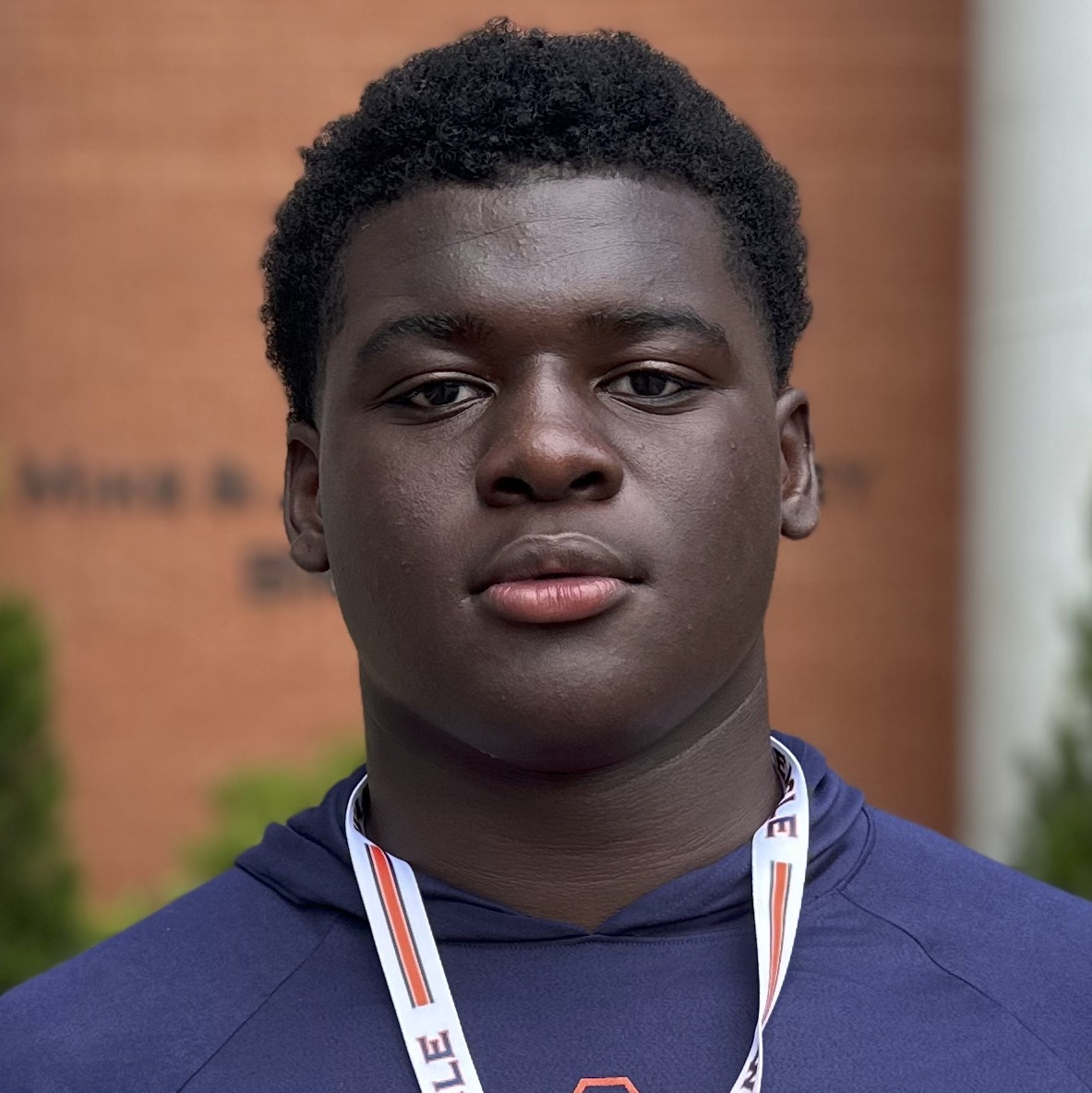


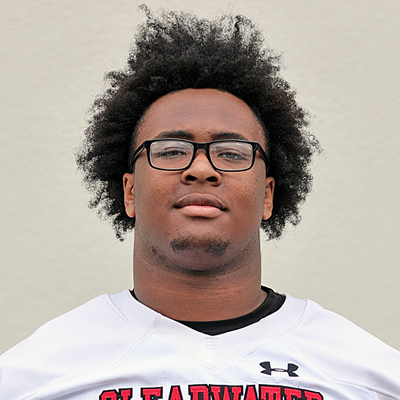
Texas A&M's 2026 recruiting class tells a story about modern college football recruiting. The Aggies landed 30 commits spanning 14 states with 70% of them rated as blue-chip prospects. This class features four 5-star talents and 17 more at the 4-star level, creating a foundation built on quality depth rather than flashy headliners alone.
The numbers reveal strategic priorities. With a 77.7 average PrepRanks score and 344 class rating, Texas A&M assembled an SEC-caliber roster focused on defensive dominance and national reach. But what makes this class particularly interesting is how it reflects the shifting geography of college football recruiting in the transfer portal era.
The Georgia Pipeline Outweighs Texas Tradition
Here's something you don't see every day from an Aggies recruiting class: more commits from Georgia than anywhere else except Texas. Six Georgia prospects chose College Station, signaling that Texas A&M has successfully penetrated traditional SEC East territory. Bryce Perry-Wright, a 5-star edge rusher from Buford High School, leads that contingent with an 88.71 PrepRanks score.
The Georgia haul includes talent from multiple regions within the state. Aaron Gregory, a 4-star receiver from Douglas County High School, brings speed at 80.64 PrepRanks score. Jordan Carter, another edge rusher from the same school, adds depth to the pass rush rotation at 78.01. This isn't random success but calculated relationship-building with programs that consistently produce SEC-ready talent.
Meanwhile, only 10 of 30 commits hail from Texas, representing just 33% of the class. This marks a strategic shift in how Texas A&M approaches recruiting. The in-state talent includes two 5-star running backs who could anchor the offense for years. Jonathan Hatton Jr. from Steele High School scored 88.04 on the PrepRanks scale, while KJ Edwards from Carthage High School posted an 87.60. These two represent different running styles: Hatton brings breakaway speed, Edwards provides power between the tackles.
Defensive Front Seven Becomes the Foundation
Four edge rushers and four linebackers anchor this class, making the defensive front seven the clear priority. This aligns with modern SEC football where defensive lines win championships. The edge rusher group features three 4-star prospects alongside Perry-Wright's 5-star talent. Samu Moala from California's Leuzinger High School adds West Coast athleticism at 77.13 PrepRanks score.
Position Scarcity metrics from the PrepRanks formula give these edge rushers a 15% boost because quality pass rushers remain scarce nationally. Every major program hunts for athletes who can pressure quarterbacks, making these wins significant. The linebacker corps provides versatility with players who can cover slot receivers and stuff running lanes.
Cornerback depth gets addressed with three commits, including the class jewel: Brandon Arrington. The California corner scored 90.47 on PrepRanks, making him the highest-rated prospect in the entire class. His Recruiting Reality component exceeds 95 points, indicating that virtually every major program pursued him. Beating USC, Oregon, and other West Coast powers for Arrington demonstrates Texas A&M's ability to win national battles.
The Offensive Line Question Remains Unanswered
Here's where this class shows vulnerability: only four offensive line commits for a program competing in the SEC. Two interior linemen and two tackles might not provide enough depth when injuries inevitably hit. Samuel Roseborough, a 4-star interior lineman from Florida, leads the group at 84.03 PrepRanks score. He benefits from the Offensive Line Shortage Multiplier, which adds points based on national scarcity at the position.
The PrepRanks formula applies a base 60 score to offensive line prospects, then adjusts based on size, athleticism, and program background. Roseborough meets SEC standards at 300-plus pounds with room to add functional strength. But four total line commits feels light when Alabama and Georgia typically sign six to eight. This could become a concern if development doesn't exceed expectations.
Texas A&M did address quarterback needs with two commits, though neither qualifies as an elite headliner. Jayce Johnson, a 2027 prospect from Georgia's Lowndes High School, committed early with an 82.42 PrepRanks score. His 4-star rating and prototypical 6'2" frame suggest developmental potential. The early commitment to a 2027 quarterback indicates the staff secured their future signal-caller before the 2026 cycle peaked.
PrepRanks Intelligence Reveals Strategic Priorities
The PrepRanks formula weighs five components to create composite scores: Recruiting Reality (40%), Momentum Score (25%), Position Scarcity (15%), Stability (10%), and Elite Recognition (10%). This class excels in Recruiting Reality, with top commits averaging 40-plus scholarship offers from Power Four programs. Brandon Arrington's offer list includes every major national program, driving his elite Recruiting Reality score.
Momentum patterns show several commits with recent ranking bumps, particularly the Georgia prospects. Rising stock indicates that national recruiting services continue discovering these players' abilities. The 2027 commits naturally show lower Momentum scores because their recruitment timeline remains in early stages. Stability metrics look strong across the board, with most top commits making early decisions and sticking with them.
Elite Recognition separates the 5-star prospects from the rest. All four 5-star commits possess All-American honors or major camp invitations. The 4-star group shows developing recognition profiles that should grow during their senior seasons. This Elite Recognition component can add up to 10 bonus points to a prospect's final PrepRanks score, rewarding exceptional achievement markers.
Football Intelligence Metrics Show SEC-Ready Bodies
The Football Intelligence components measure physical traits and program background beyond simple star ratings. Size Premium Index confirms that offensive line commits meet SEC standards at 300-plus pounds. Defensive front seven players show prototype measurements that translate to the conference level. This emphasis on SEC-ready size suggests Texas A&M prioritizes immediate contributors over long-term developmental projects.
Quarterback Premium Index evaluates signal-callers on frame, arm talent, and mobility. Jayce Johnson possesses the prototypical 6'2" frame that coaches prefer, with room to add functional muscle. His 4-star rating and early commitment indicate the staff values his ceiling over current production. The Power Five Regional Advantage metric shows that 80% of commits come from high-exposure regions like Texas, Georgia, California, and Ohio.
Speed Position Proxy examines cornerback and receiver commits for elite program backgrounds that suggest high athleticism. Both Aaron Gregory and Brandon Arrington played for programs known for developing speed players. The lack of multi-sport standouts in this class suggests football specialization has become the norm among elite prospects.
Class Rankings and National Context
Within the SEC, this class projects as upper-tier but not elite. It likely ranks behind Georgia and Alabama based on total blue-chip ratio and 5-star headliners. However, it competes favorably with LSU, Tennessee, and Auburn. The 70% blue-chip ratio exceeds 2025's 65% mark, indicating upward trajectory under the current staff.
| Metric | Value |
|---|---|
| Total Commits | 30 |
| Average PrepRanks Score | 77.7/100 |
| Average Stars | 3.85⭐ |
| Class Score | 344 |
| Blue-Chip Ratio | 70% |
| National Reach | 14 states |
Nationally, this class should crack the top 10 based on average player rating and total blue-chip percentage. The Aggies won significant recruiting battles against traditional powers. Landing Brandon Arrington over USC, UCLA, and Oregon shows they can compete for elite West Coast talent. The six Georgia commits represent victories over Georgia Tech, Auburn, and other SEC programs.
Star Distribution Shows Quality Depth
| Stars | Count | Percentage |
|---|---|---|
| 5⭐ | 4 | 13% |
| 4⭐ | 17 | 57% |
| 3⭐ | 9 | 30% |
Four 5-star prospects provide elite talent at the top. Seventeen 4-star commits create depth across position groups. The nine 3-star prospects represent developmental players who could exceed their rankings. This distribution mirrors successful SEC classes that balance immediate impact with long-term roster building.
Position Group Breakdown Reveals Defensive Emphasis
| Position | Commits |
|---|---|
| EDGE | 4 |
| LB | 4 |
| CB | 3 |
| WR | 3 |
| RB | 2 |
| OL (combined) | 4 |
| QB | 2 |
| TE | 2 |
| DL | 2 |
| S | 2 |
| Other | 2 |
Edge rusher and linebacker combine for eight commits, making the front seven the clear priority. This reflects modern defensive philosophy where versatile athletes who can rush the passer and cover space dominate. Cornerback and receiver each land three quality prospects. The two tight ends, Evan Jacobson from Iowa and Caleb Tafua from Arizona, bring 4-star talent to the passing game.
High School Pipelines Tell Geographic Story
Carthage and Douglas County each contributed two commits, establishing themselves as key feeder programs. Carthage's pipeline includes KJ Edwards and another prospect, continuing the East Texas school's tradition of producing SEC talent. Douglas County supplied Aaron Gregory and Jordan Carter, showing Texas A&M's success in metropolitan Atlanta recruiting.
Other traditional powerhouse programs appear once each. Buford High School in Georgia sent Bryce Perry-Wright. Mount Miguel from California provided Brandon Arrington. Bergen Catholic in New Jersey shows that Texas A&M's national reach extends to the Northeast. These relationships with elite programs should pay dividends in future cycles.
What This Class Means for 2026 and Beyond
Texas A&M built a class designed to compete in the SEC immediately. The defensive emphasis suggests confidence in offensive returning starters. Four 5-star talents provide elite headliners. Seventeen 4-star prospects create depth across two-deep rotations. The national footprint spanning 14 states shows this program can recruit anywhere.
Potential concerns exist around offensive line numbers and the lack of an elite quarterback headliner. Four offensive linemen might not provide adequate depth if injuries hit. The 2027 quarterback commit suggests the staff is building for the future rather than chasing the 2026 cycle's top signal-callers. Special teams addressed with a kicker commit shows attention to detail that winning programs require.
The Georgia pipeline could become a sustained advantage if relationships continue producing results. Landing six commits from a state dominated by Georgia and Georgia Tech represents significant inroads. California's contribution through Brandon Arrington and Samu Moala shows West Coast recruiting remains viable despite geographic distance.
Final Verdict on the Aggies' 2026 Class
This class projects as a top-10 nationally and top-five in the SEC. The 77.7 average PrepRanks score indicates quality across the roster. The 70% blue-chip ratio provides talent density needed for conference competition. Four 5-star prospects give the class elite upside. Seventeen 4-star commits create reliable depth.
The defensive emphasis aligns with SEC championship formulas. Edge rushers and linebackers win critical third downs. Cornerbacks shut down elite receivers. The offensive line concern remains valid, but development could mitigate roster limitations. Two quality running backs anchor the skill positions. The 2027 quarterback commit shows forward thinking.
Texas A&M's national recruiting strategy is working. The Georgia pipeline outproducing Texas tradition signals strategic adaptation. California and Ohio contributions prove the program can win anywhere. This class positions the Aggies to compete for SEC West titles and playoff berths if development matches recruiting success.